

Festival de l'info locale · Nantes · 24 September 2026
How (and why) I transformed my newsroom with AI
Cukr — an independent local newsroom in Sumy, Ukraine.
30 kilometres from the Russian border.*
* There is a nuance. I come back to it in a minute.
Dmytro Tishchenko · founder
What AI does for us today
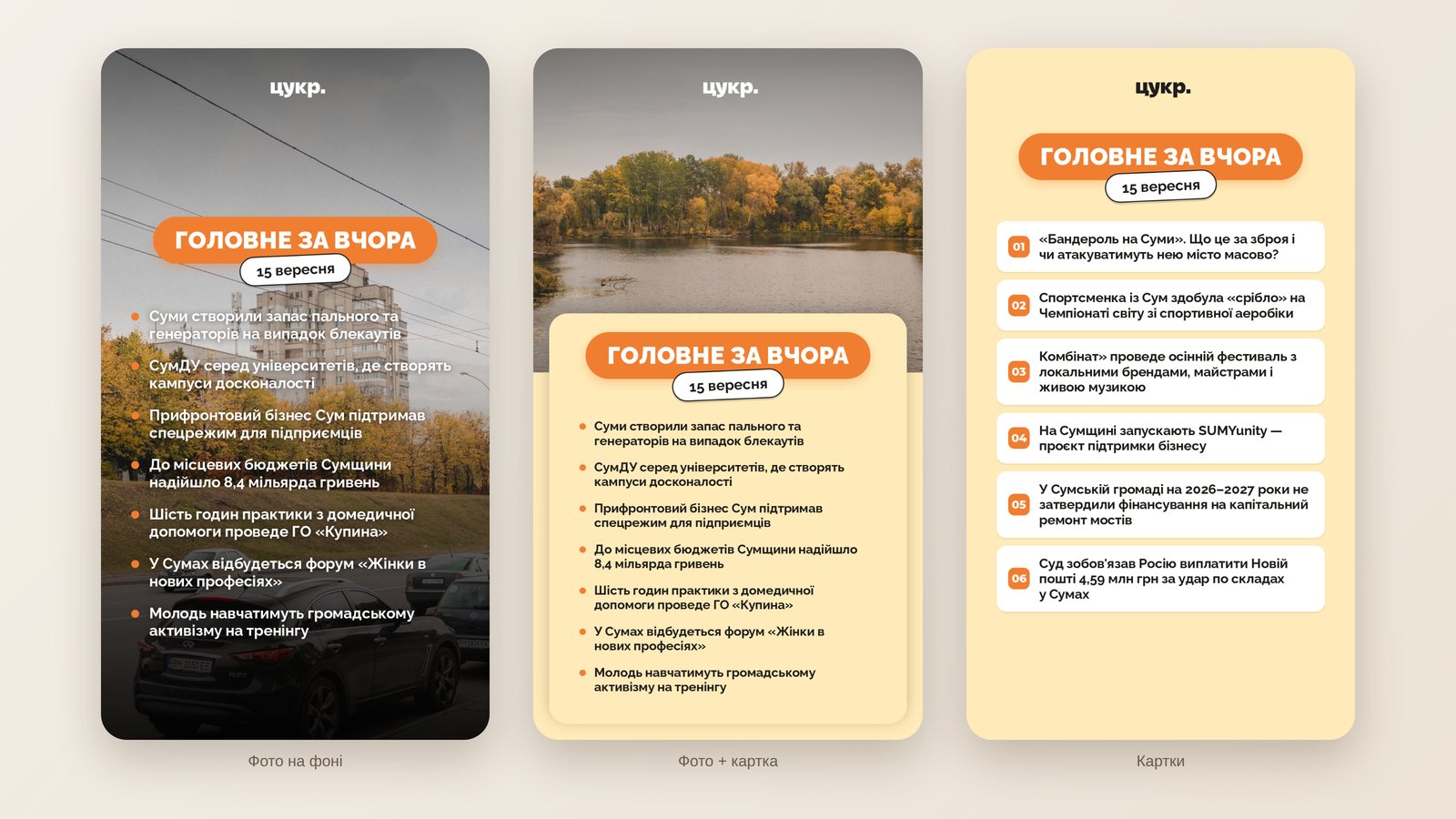
Every text is checked before the editor. Every comment gets two draft replies. Every morning the team plans in one place.

Where we work
Now — why. What it means to be a newsroom 15–20 km from the front line.
Sumy
Russian troops hold a strip two to four kilometres deep inside our region. We get seconds of warning, not even minutes. The alert is on almost all day, and few shelters are really open — so most people just stopped going.
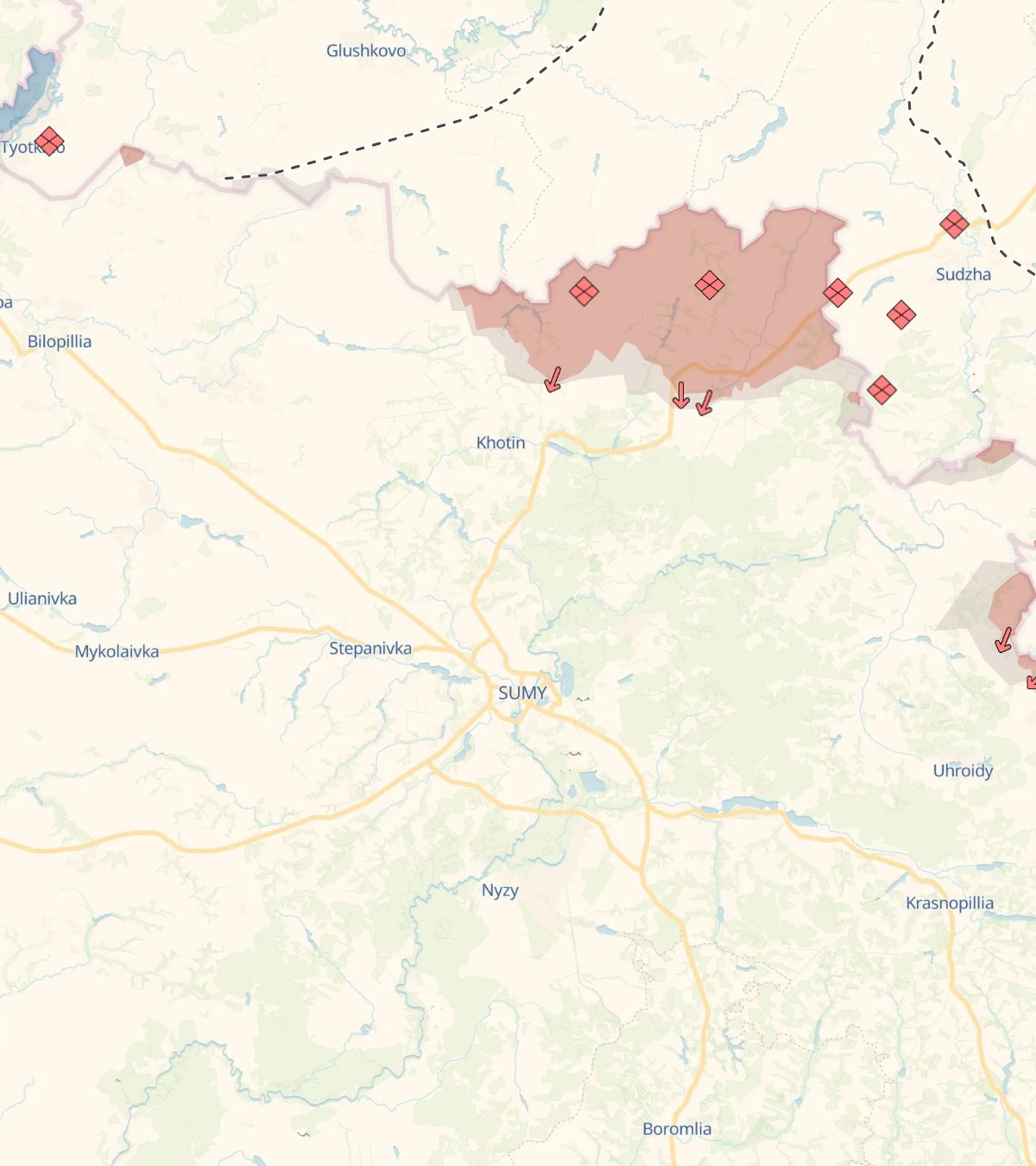 Our newsroomHeld by Russian troopsRussia
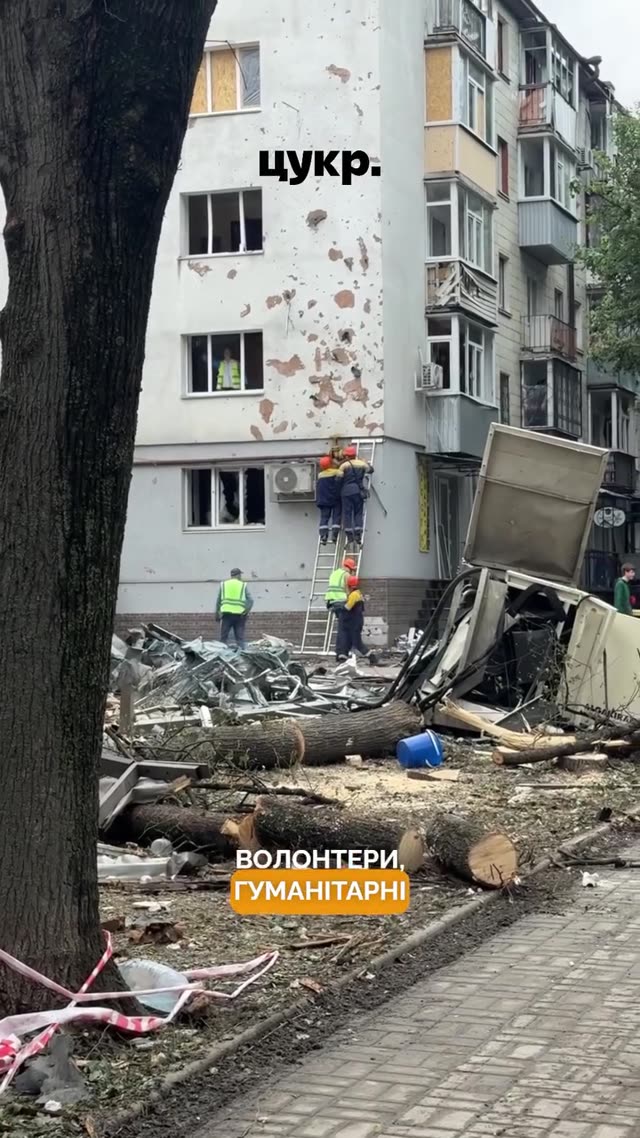
An evening strike, and a day of mourning
Five guided bombs in eight minutes. Four people killed, among them a mother and her five-year-old daughter. 33 injured, seven of them children.
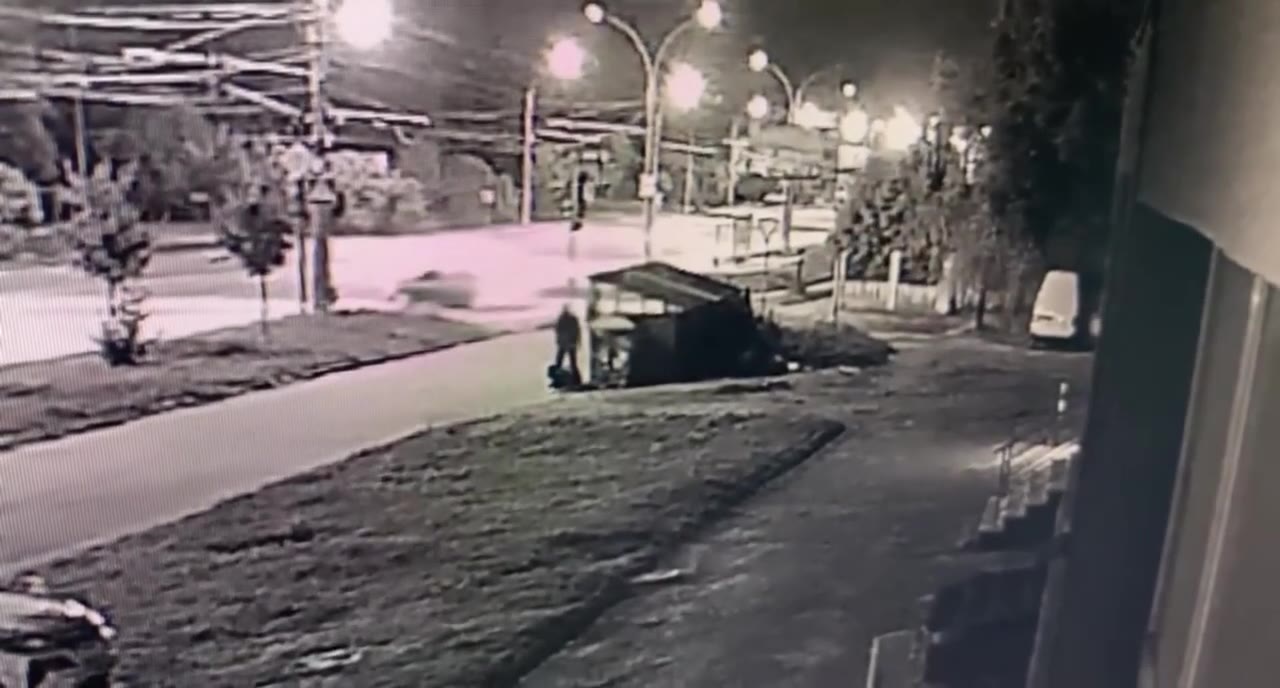
An FPV drone hunting a man on the street
He hides from the first drone behind a kiosk. Seconds later a second drone comes. The author of the video says it hit him.
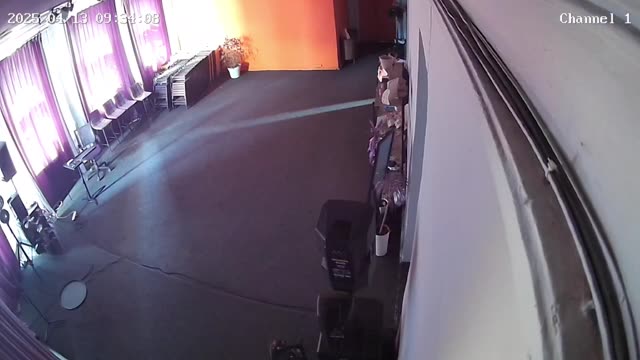
Our own security camera

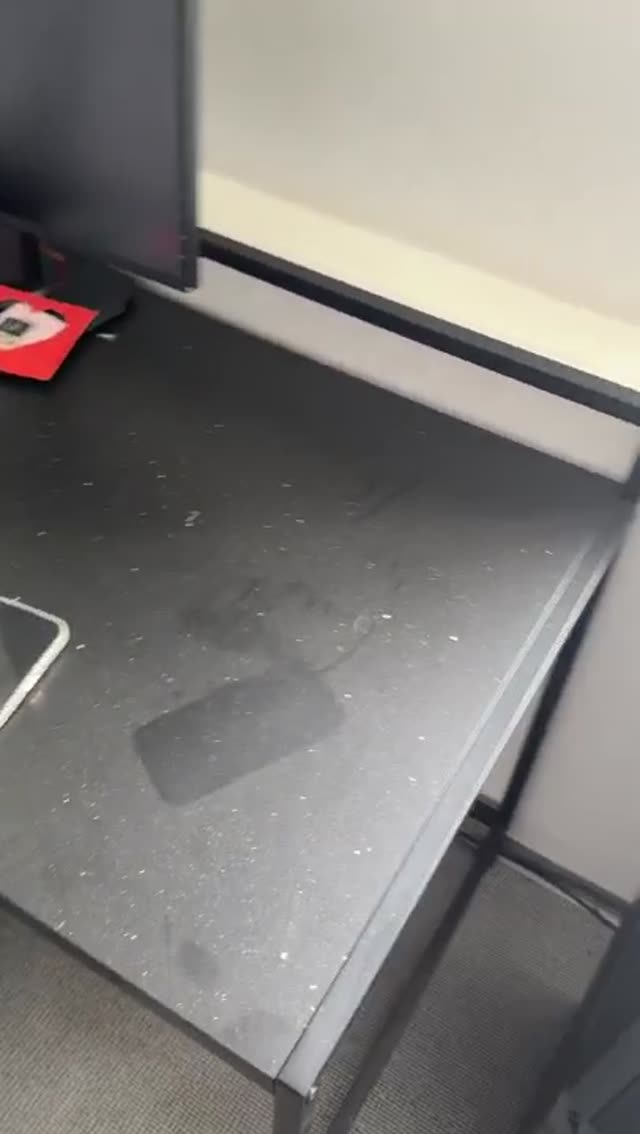
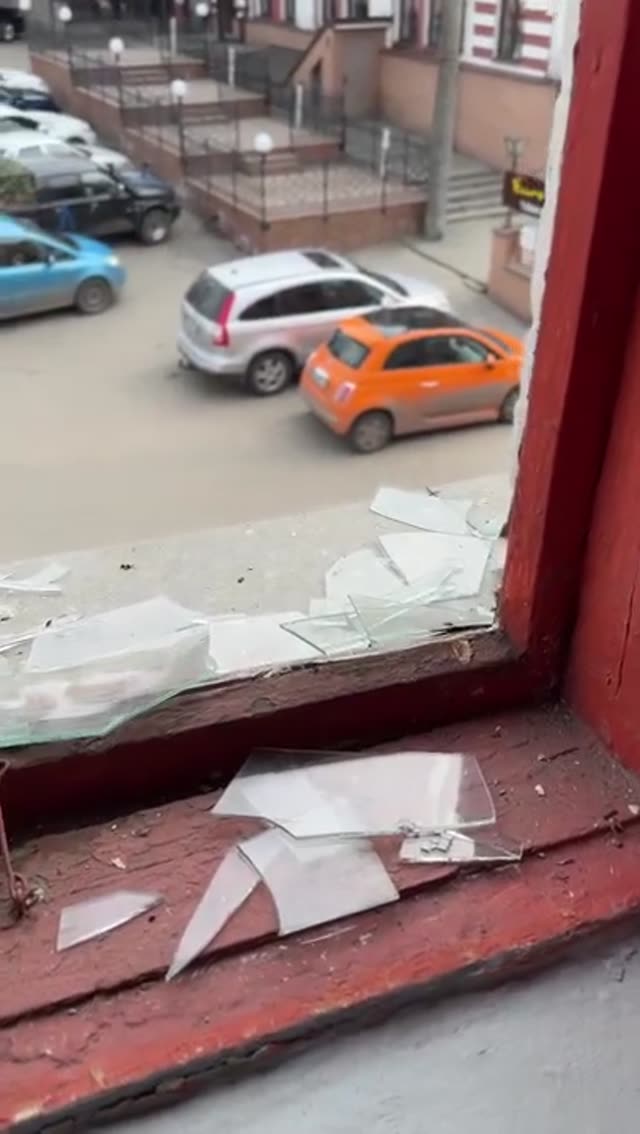


And the same afternoon, we were working
Our reporter doing a live hit for a national TV channel — on a phone, in front of the damaged building. That channel has no crew in Sumy. When something happens here, they call us.
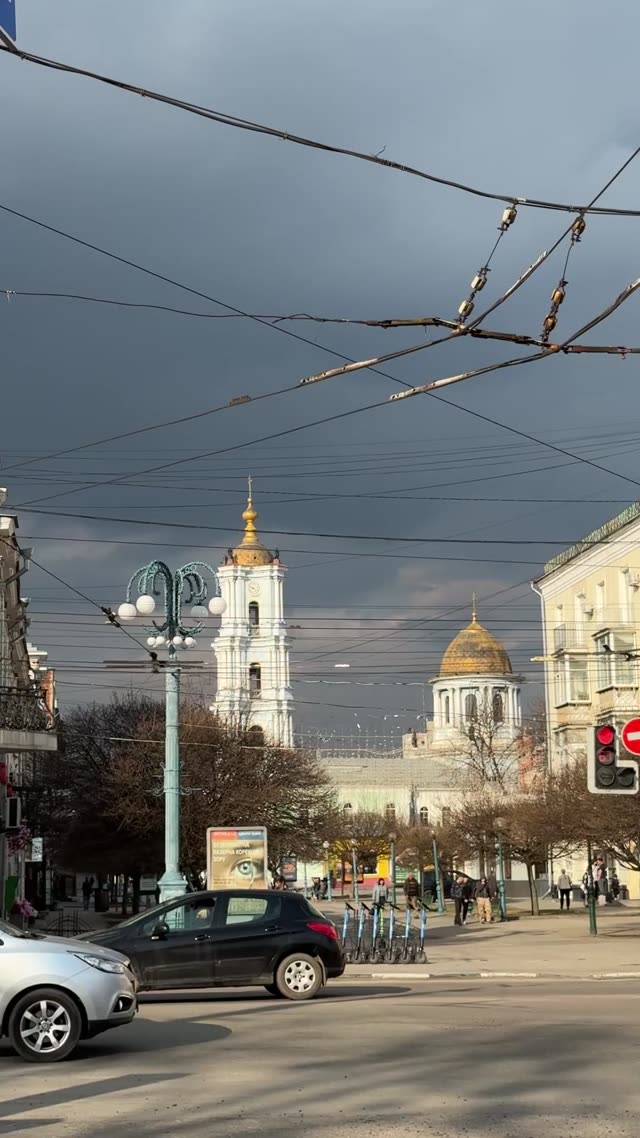
And this is Sumy too
Next to the strikes, we look for people’s stories and show what the city lives by besides the war.
Spring in a park. An ordinary Wednesday morning in the city centre.


What this does to a newsroom
As a business, not as a story.
And the rest of it
The ad market shrinks with the city. In July Russian drones burned down Epicentr, a huge hardware store in our city.
People leave, are mobilised, burn out. There is nobody on the market to hire.
Grants help, but at some point you write projects instead of doing journalism.
67% of Ukrainian media revenue is international grants — the sector, not just us (Stéphane Siohan). Video: Suspilne Sumy, 21 July 2026.

We buy our own power to stay online
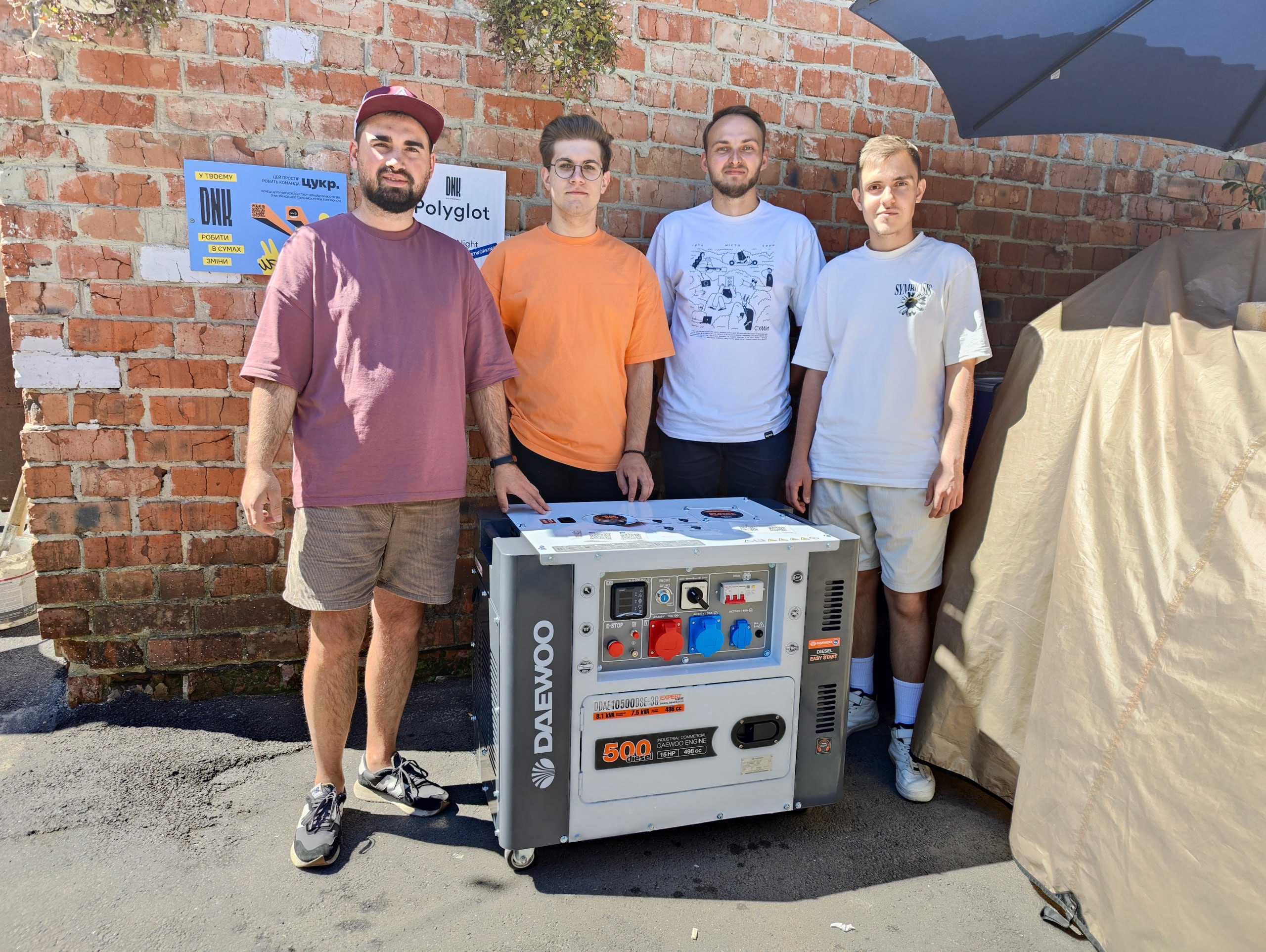
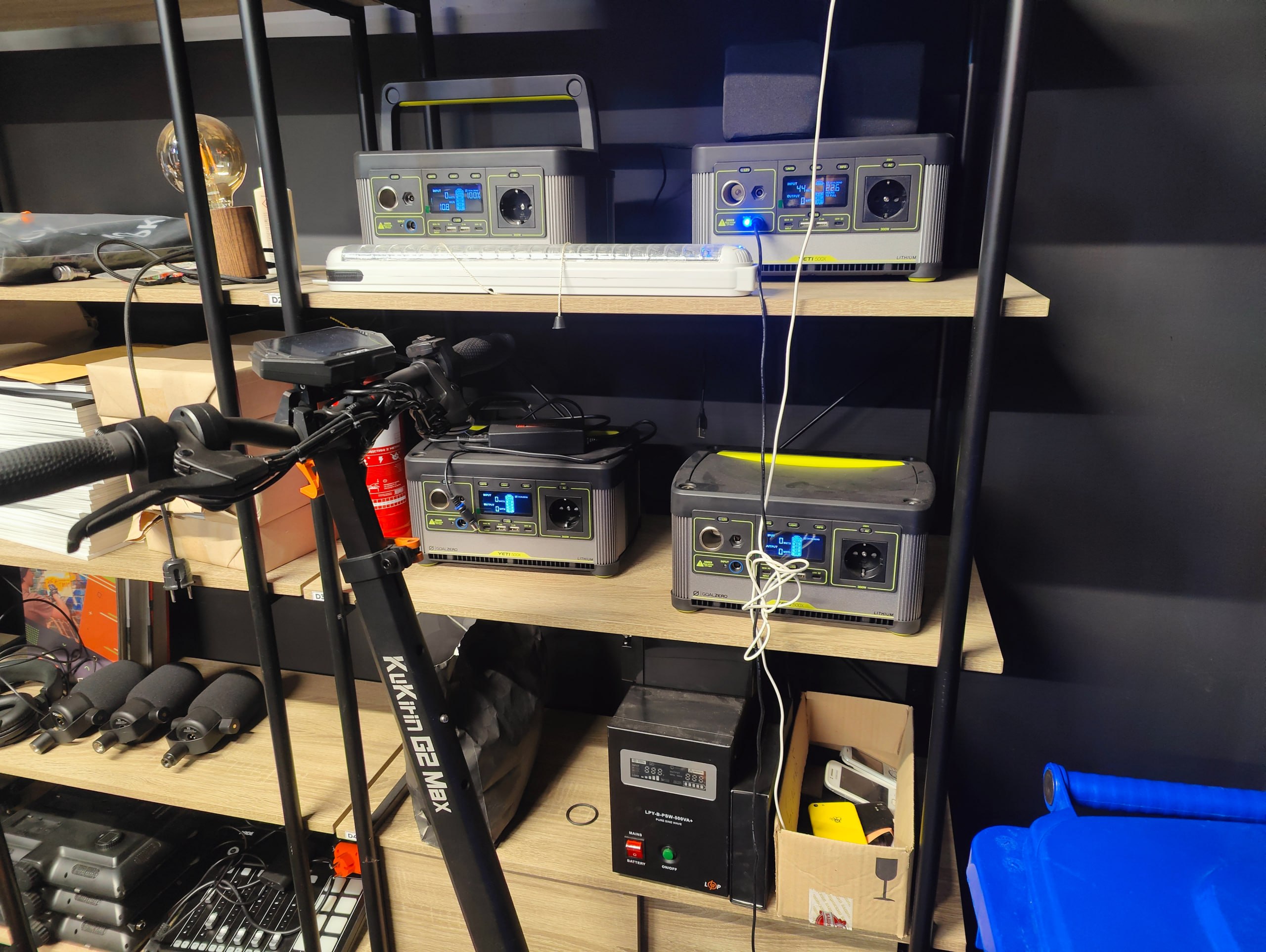
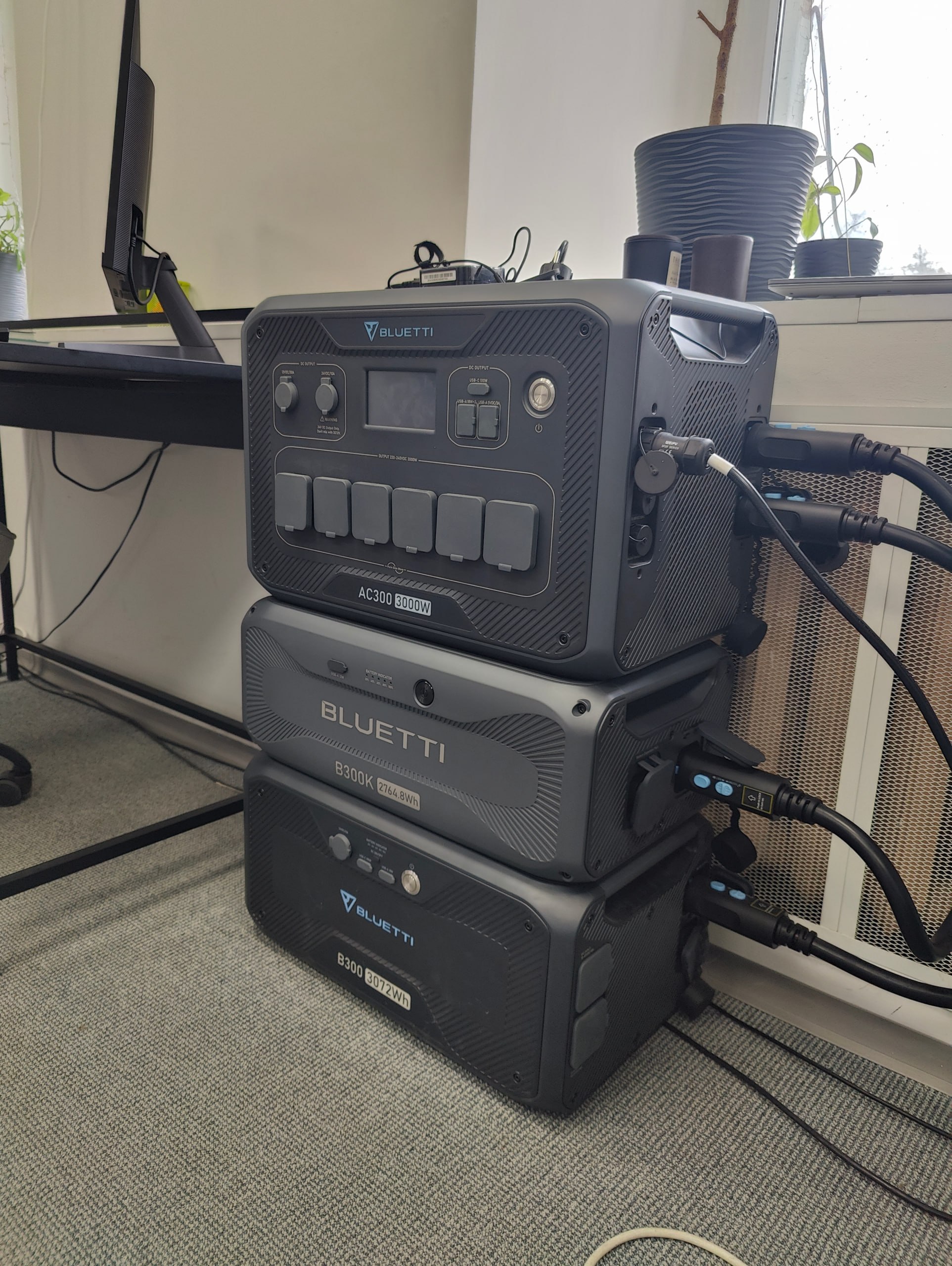
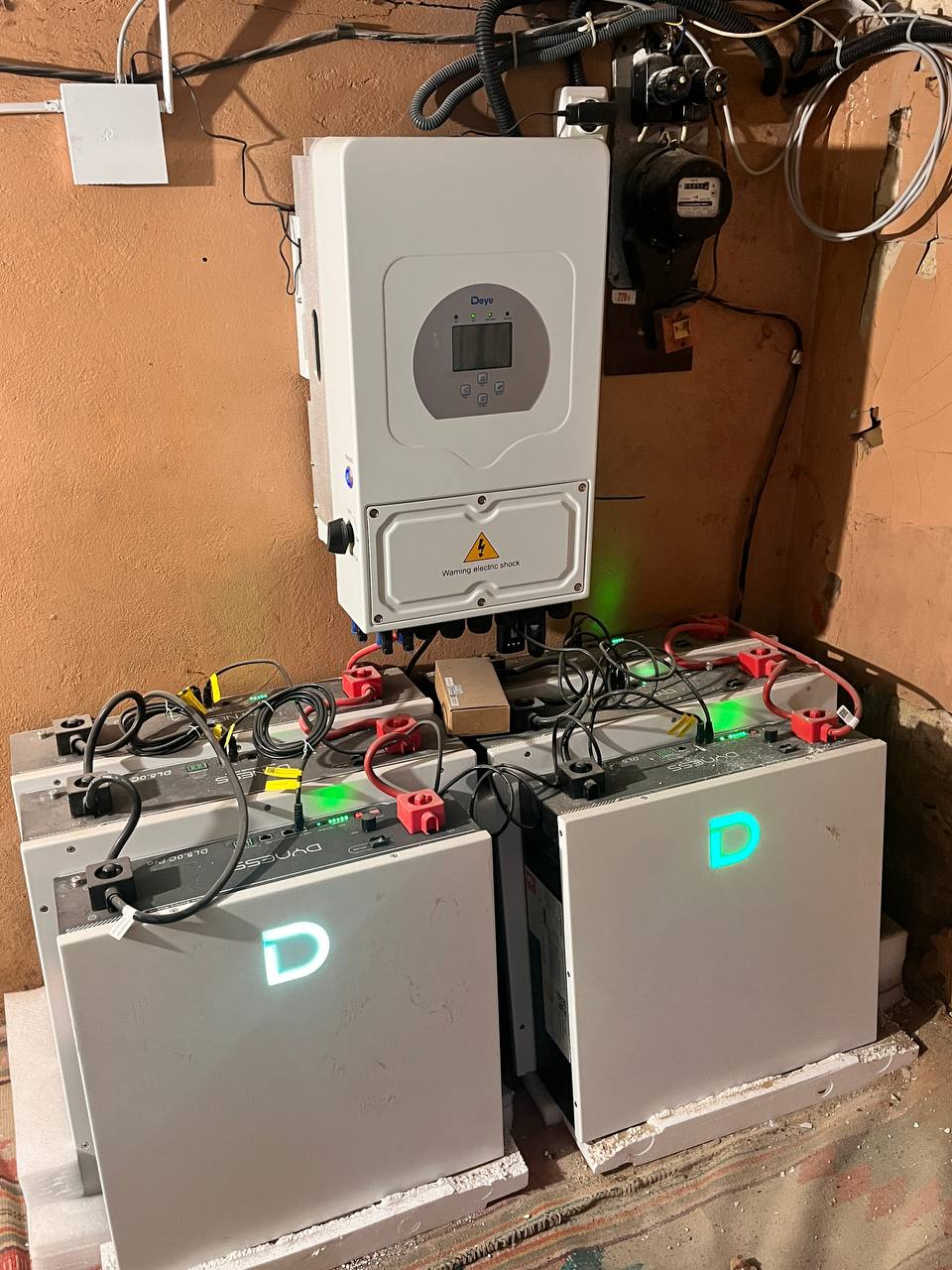
Not a choice. Russia keeps hitting power plants and substations, so we keep buying generators and batteries — to stay online even when mobile networks in the city go down. Last winter some days had about six hours of power out of twenty-four.
Not a website. An ecosystem.
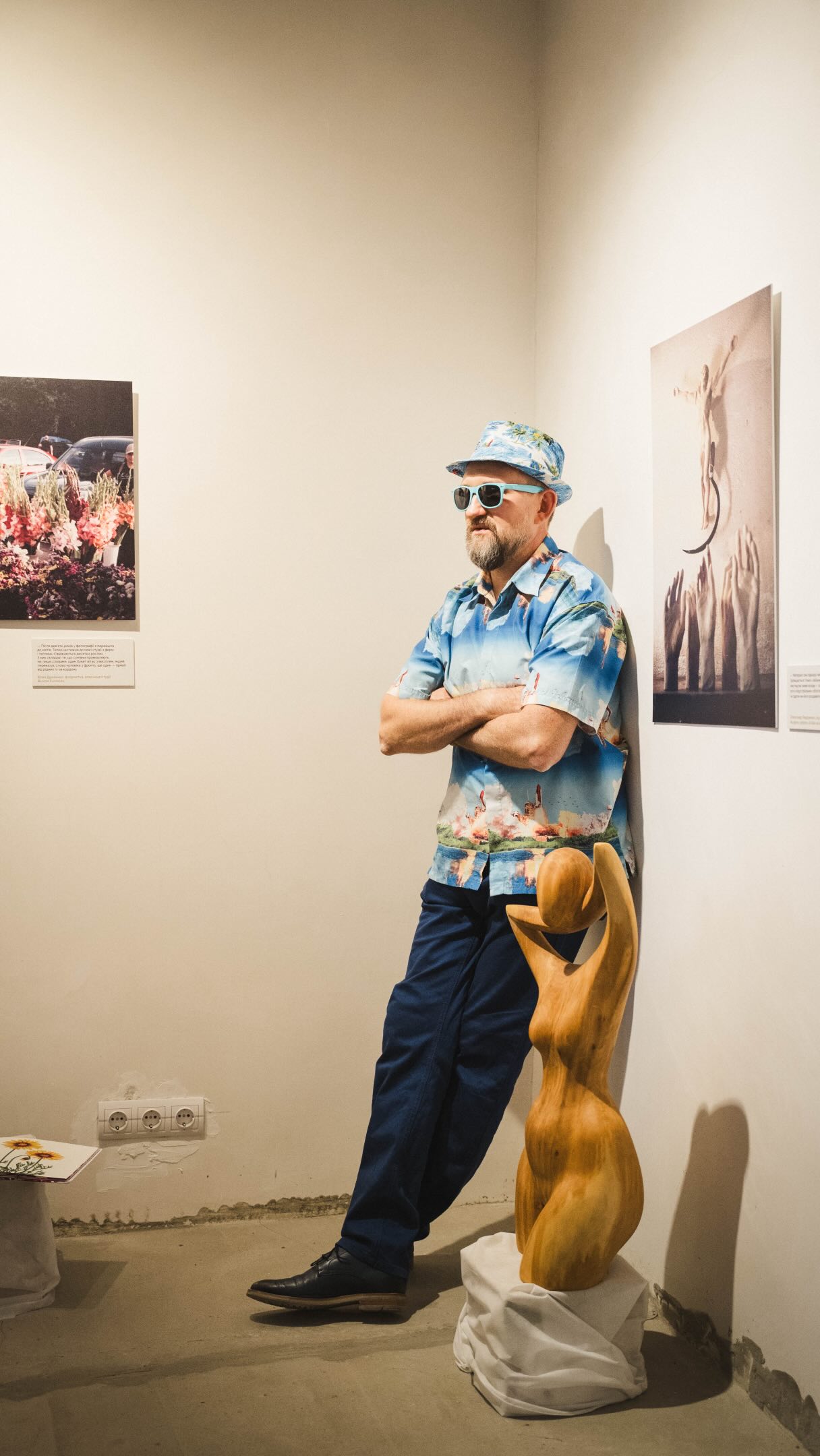
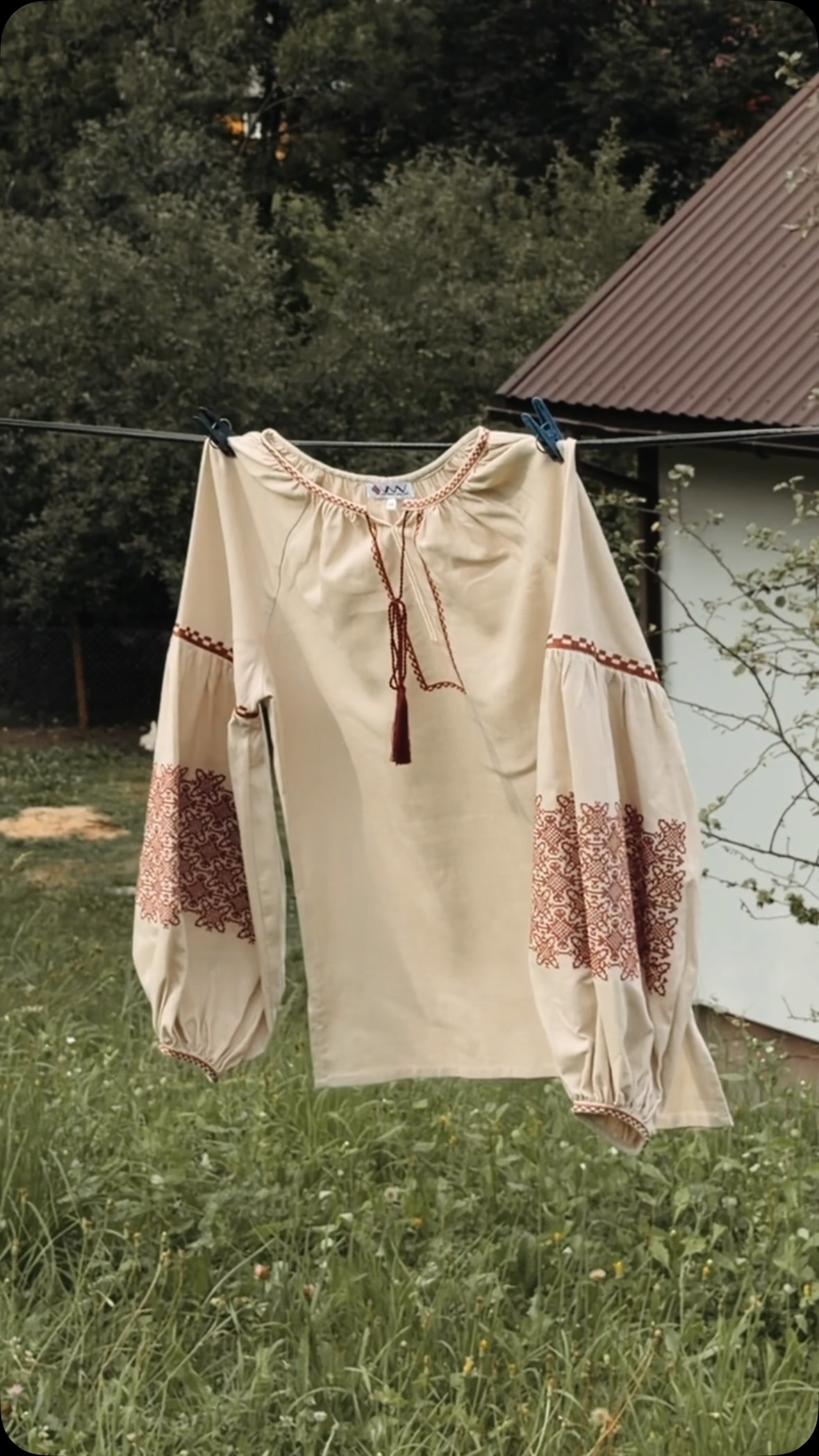
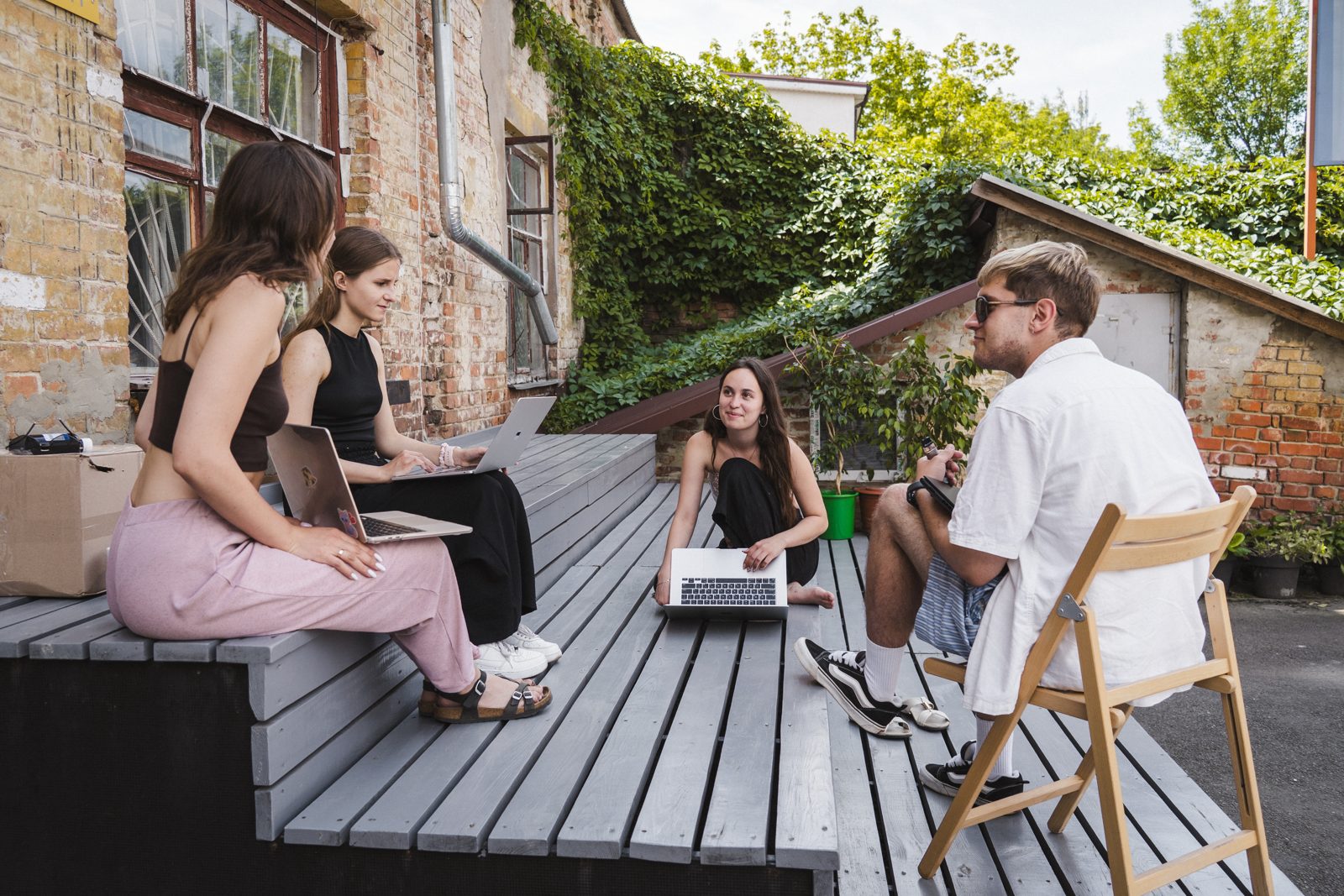
A news site, four social channels, a café, a shop, a yard in the city centre, a printed magazine. A newsroom cannot live in a vacuum, so we look for what the city is missing.

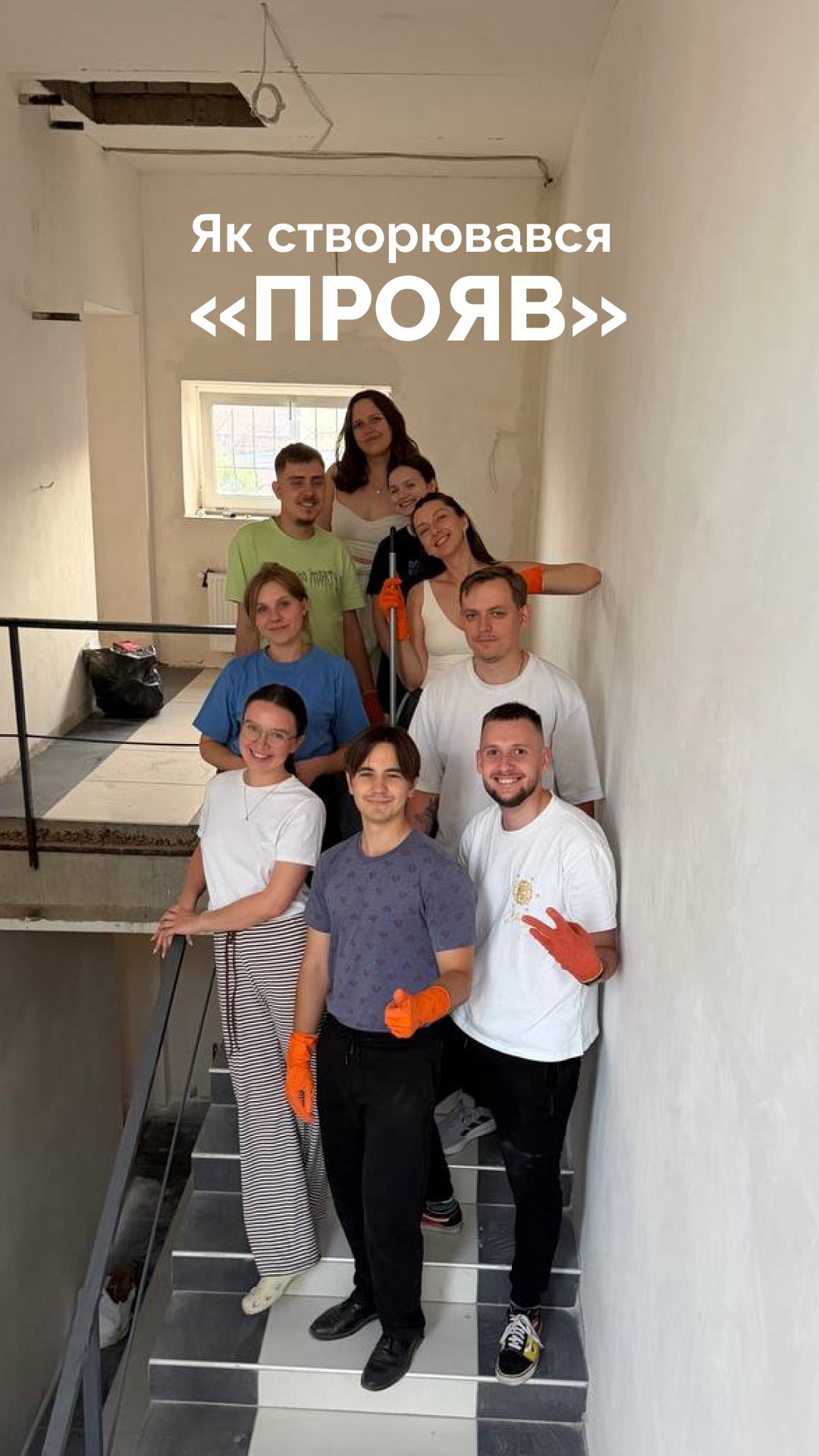

How it grew
Everything from here on exists because of a row in that table. We use Claude.

What changed in how we manage
We built AI into processes, not into people. And nobody was ordered to use it.
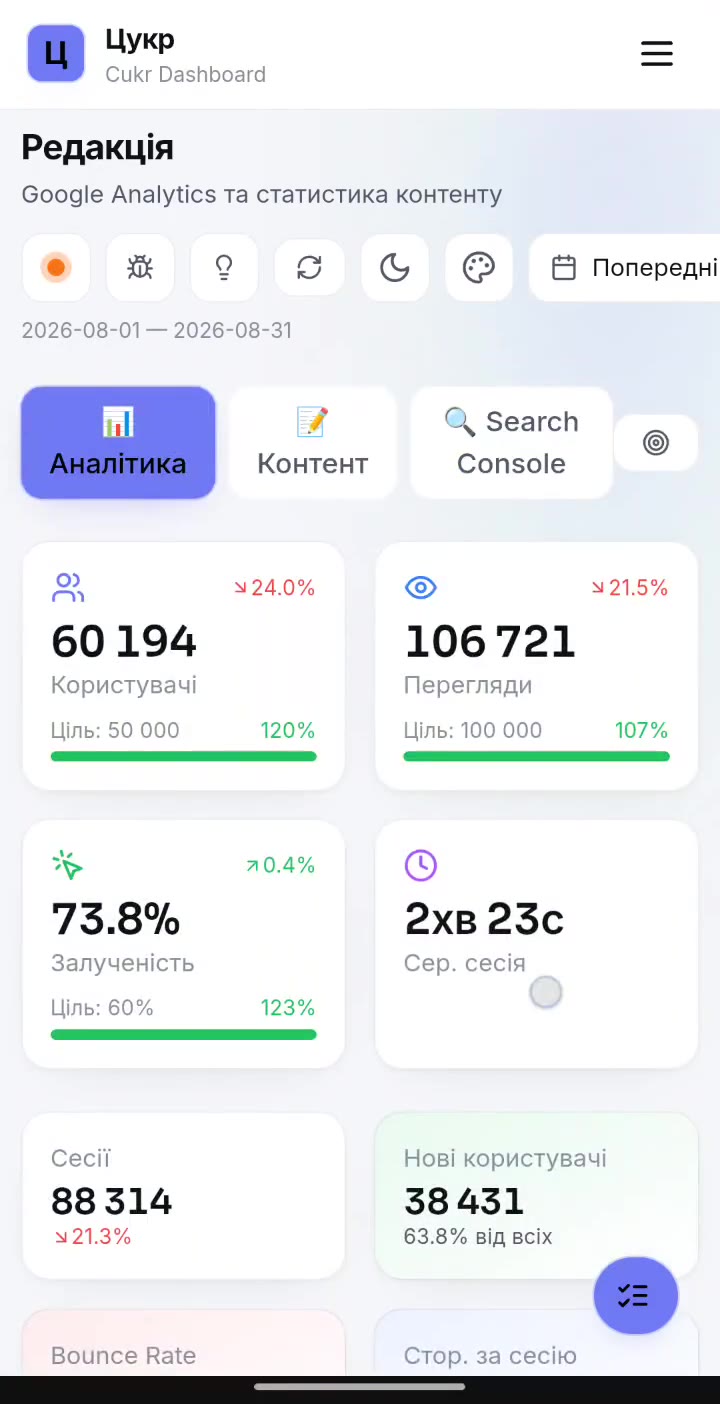
An analytics platform, built without a developer
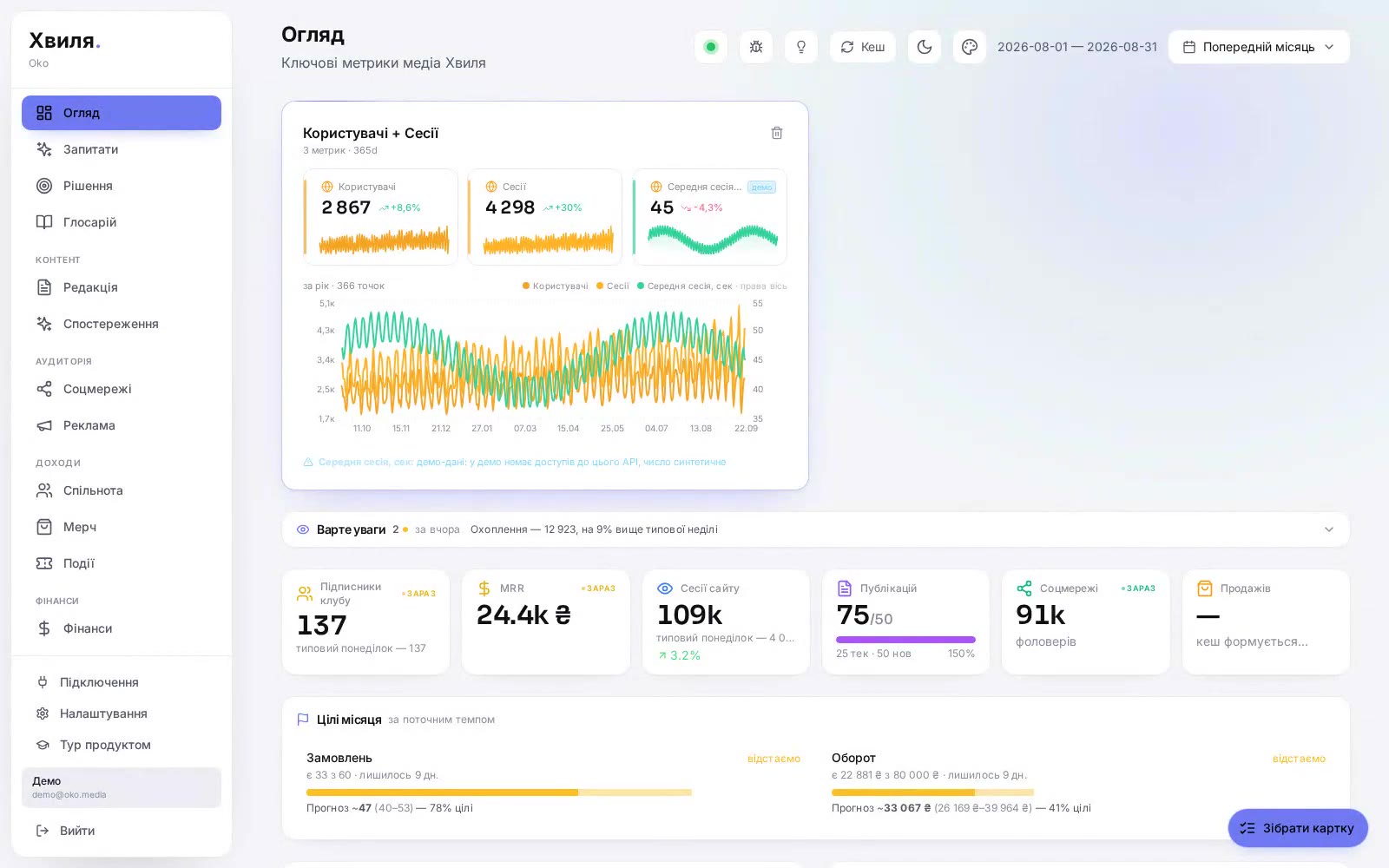
One screen instead of 15 systems: newsroom, Club, shop, socials, finance, HR, tasks.
20+ integrations, built through Claude Code. Nobody was hired.
We see what brings people into the Club — an article, an event — and can scale what works.
Our real dashboard, recorded on my phone this morning.
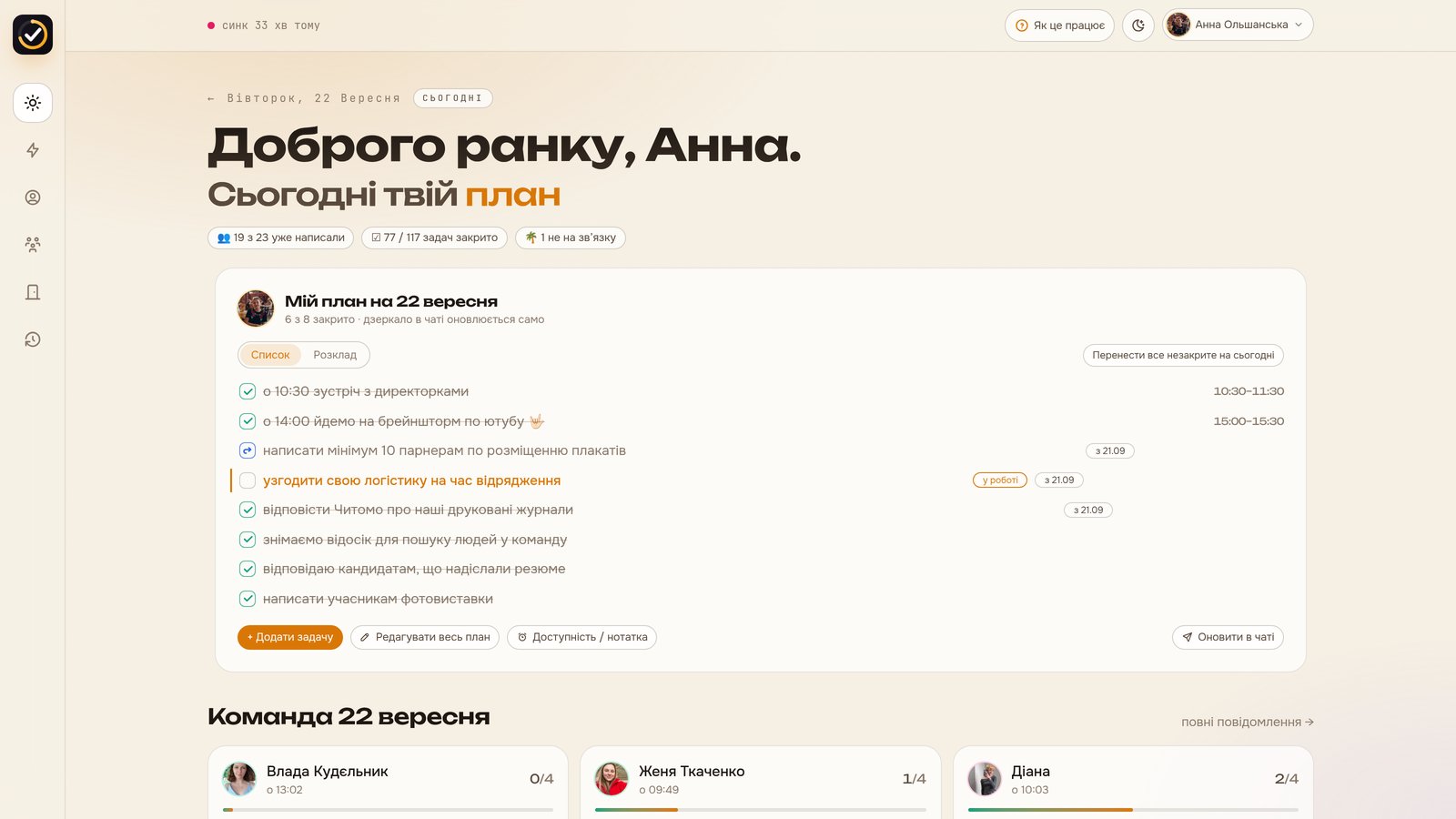
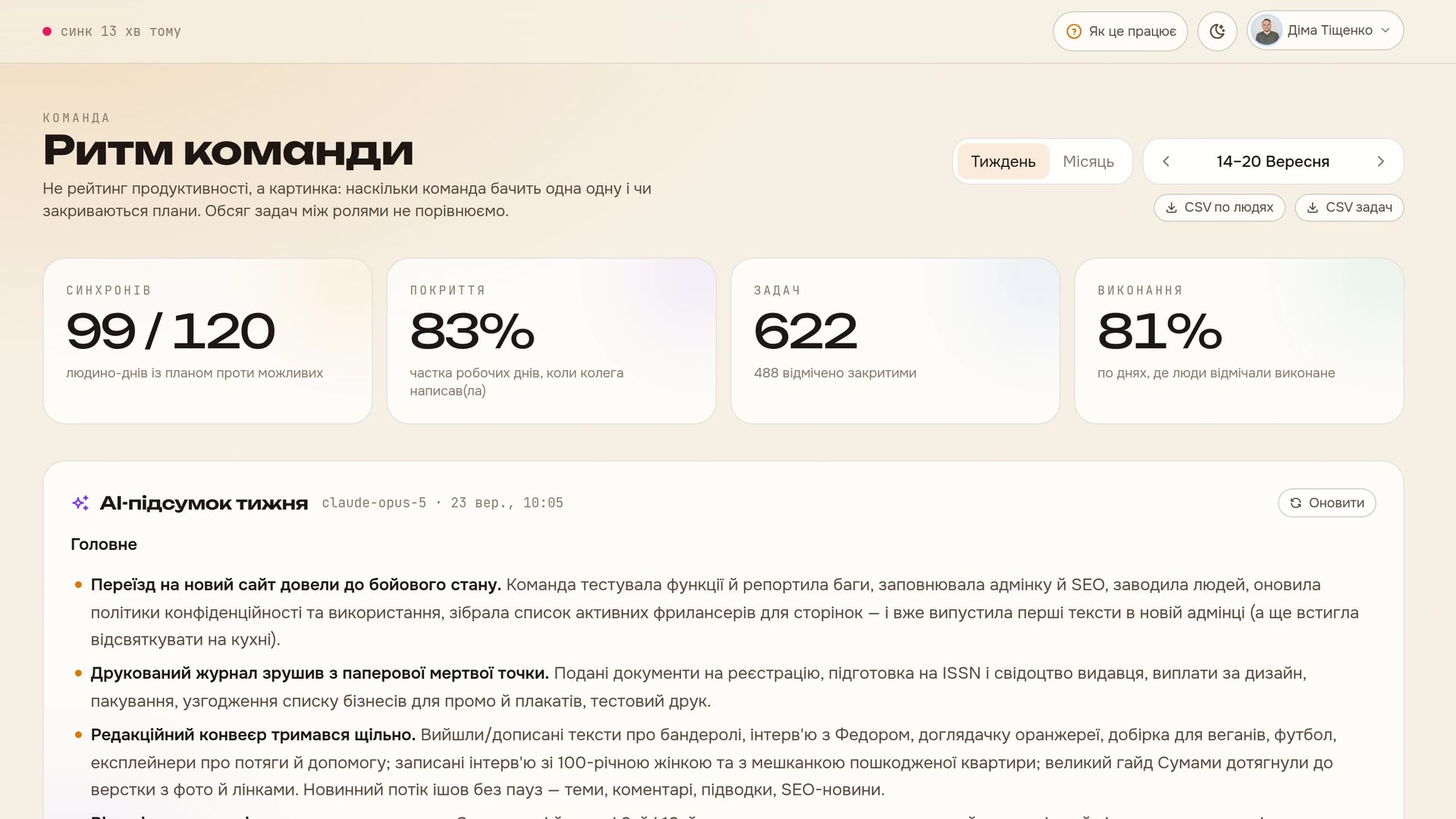
Synchron: one plan for the team
Everyone writes the day’s plan in a minute.
Every week and every month, AI writes a summary: what got done, where the time went.
14–20 September: 99 of 120 plan-days, 622 tasks, 488 done.
Grants: we apply only where it makes sense
A separate Claude project knows our mission and our strategy for the next few years. Before anyone writes a word, it checks each call: does it fit our goals? So we find the donors that are really ours — and stop spending days on calls that were never for us.
It also keeps our standard texts and legal data. Now the team can write applications, not only me.

What none of this solves
Without this part, the talk is an advertisement.
What none of this solves
- It does not stop the strikes, or the blackouts, or bring back the people who left
- Free time is easy to lose. Ask where the hours will go before you free them.
- Adoption is not an event. You have to keep adding new habits, rules and tools — and someone in the team has to keep selling the idea
- The team's scepticism is a healthy instinct, not laziness
Where we drew the line
- No generated photo or video of a real event. Only archive repair and clearly labelled concept images.
- Children and war: double verification, always
- Generated or edited images are always labelled.
Another newsroom in our city used an AI image with a real story: ~100,000 views and 200+ angry comments — “do you not have a photographer?”


What I would tell you from our experience
So that these mistakes cost you less than they cost us.
Five habits
- Look for the task, not the tool. Write down the work you repeat every week — that list is where a machine goes.
- Write down your own steps before you hand a job over. “Do it for me” gives a generic answer; your instructions give your answer.
- One assistant per type of task. A universal one is average at everything. We have 20+.
- The knowledge base decides the result. Mission, voice, audience, old edits — then a newcomer does not start from zero.
- Do not start by building a dashboard. First export the data you already have and talk about it with the assistant you already pay for.
How many hours a week does your team spend on routine? Count them — that list is where you start.
Thank you
Dmytro Tishchenko · dmt@cukr.city
cukr.city · Sumy, Ukraine
shop.cukr.city · we ship to France
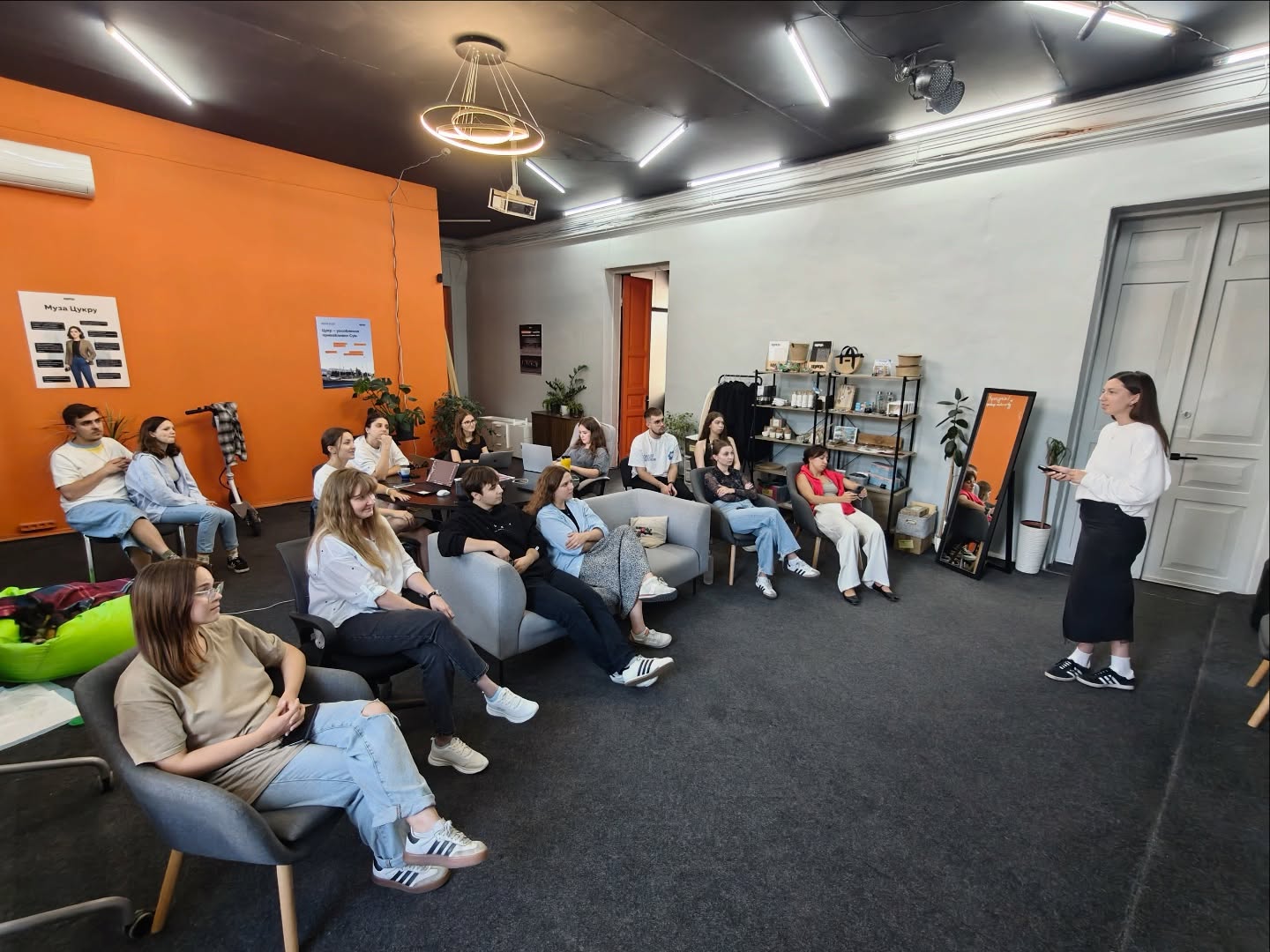
“A local newsroom is 25 people who keep choosing to stay.”

This trip is made possible by DW Akademie. That is where the dw in dw.cukr.club comes from.